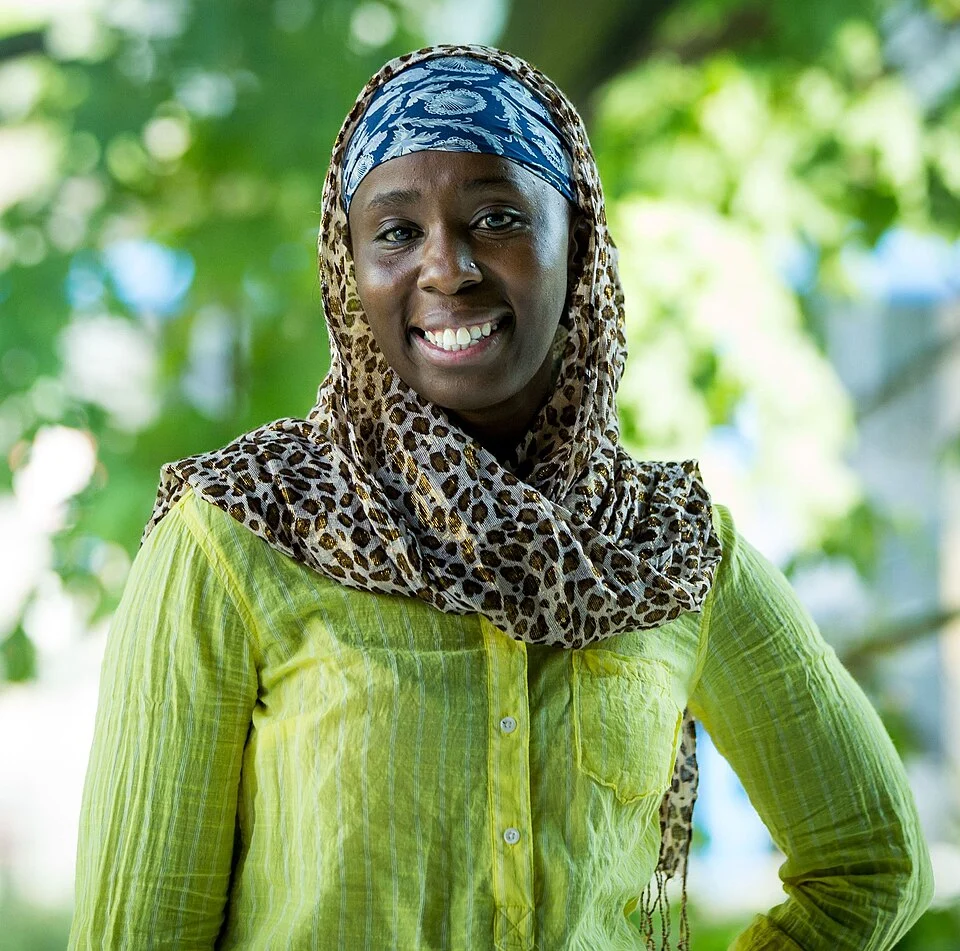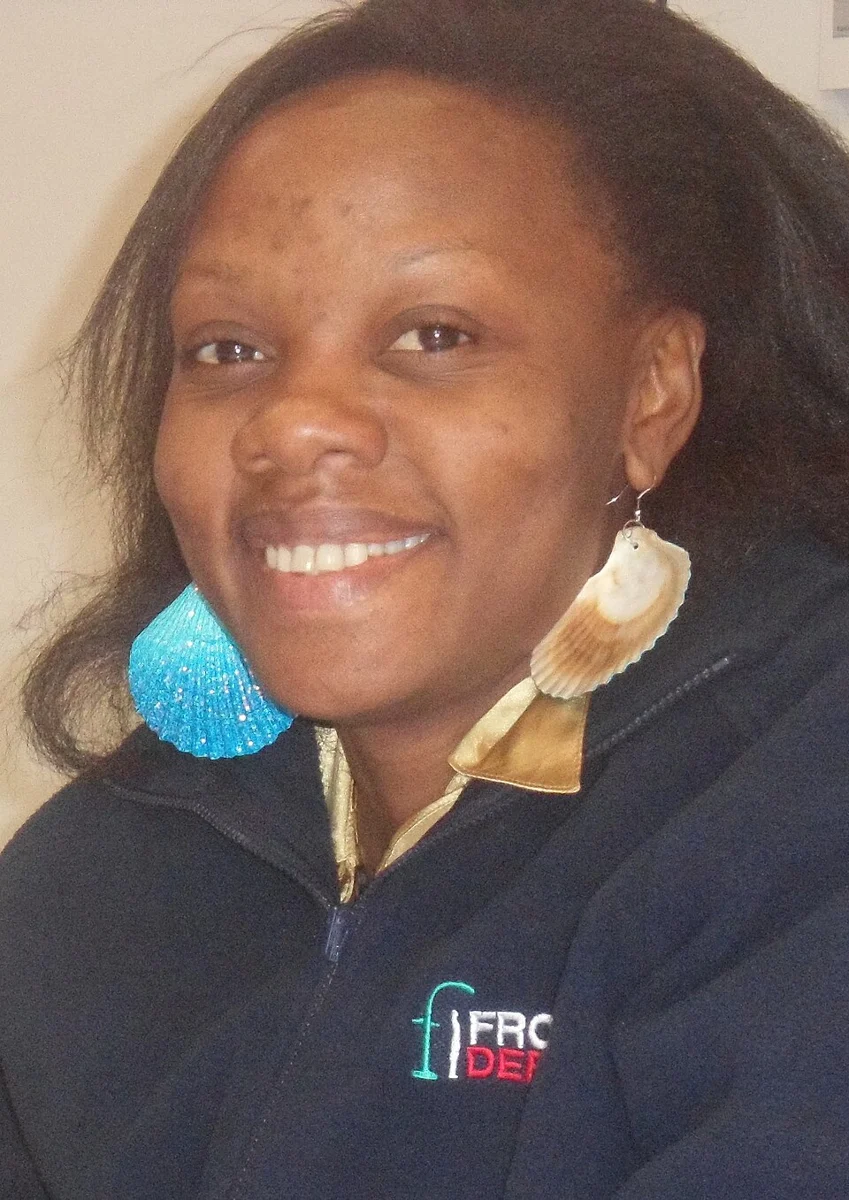
Phyllis Omido / CC BY-SA 4.0. Resized for the archive. Image credits.
Phyllis Omido
Environmental justice organiser
She stood with a community living in the shadow of lead pollution.
- Theme
- Environment
Phyllis Omido organised with residents of Owino Uhuru near Mombasa after a lead-smelting plant exposed the community to dangerous pollution. The campaign connected illness and environmental contamination with demands for accountability.
She received the Goldman Environmental Prize in 2015. Her work demonstrates that environmental protection includes the right to live and work without toxic exposure, particularly for communities with little influence over industrial decisions.
Life and work
Phyllis Indiatsi Omido (born 1978) is a Kenyan environmental activist. Dubbed the "East African Erin Brockovich", she was one of the recipients of the 2015 Goldman Environmental Prize. She is known for organizing protests against a lead smelting plant in Owino Uhuru, which caused lead poisoning in the environment, and the plant was eventually closed. She is the founder of the Centre for Justice, Governance and Environmental Action (CJGEA).
Phyllis Omido was born in Kidinye in the Vihiga County of Kenya, to Margaret and Alfred Omido. She has two brothers–George Mukutu and Silas Enane,–and a sister, Susan Monyani Kasuki. She has two children named Kingdavid Jeremiah Indiatsi and Margaret Esma Ehwa. She studied Business Administration at the University of Nairobi and worked in industries in Kenya for more than 15 years.
The plant started operations in 2009 in Owino Uhuru. It salvaged the lead from old car batteries. The result of the process was lead fumes which were released into the environment. Also, acid wastewater was not treated and was released into streams used by residents to bathe.
While working there as a community liaison officer, Omido commissioned an environmental impact assessment (EIA). The findings showed that the plant was releasing lead into the environment. As community relations officer, she made a recommendation that the smelter close and reopen elsewhere. Her superiors disagreed and reassigned her, bringing in a different consultant to finish the EIA.
Shortly after she started working at the smelter, Omido's baby became ill. She rushed him to hospital. They initially thought it was typhoid or malaria, but it was determined to be lead poisoning. She concluded that it must have been from the smelter. She selected three, random children and gave them blood tests. Each had levels of lead that were above the safe level according to the standards set by the US Centers for Disease Control and Prevention. She then quit her job and began her campaign to close the plant.
After getting no results from company leaders and government officials to close the plant, she organized a demonstration. She was arrested along with 16 other members of CJGEA while lobbying against toxic waste. The CJGEA offices were raided and police confiscated documents and computers. After spending a night in jail, she was charged with "inciting violence" and illegal gathering. After a lengthy court battle, a judge dismissed the case under section 210. The magistrate stated that she had acted within the law.
She then started to get help from Human Rights Watch and other groups. She met with the United Nations Special Rapporteur on toxic waste. This prompted the Kenyan Senate to come to the plant to assess the claims. The plant was finally closed in January 2014.
In 2009, Omido founded The Centre for Justice, Governance and Environmental Action (CJGEA). Registered in Kilifi County and based in Mombasa, the organization was established to address environmental issues faced by the settlements near Kenya's industrial areas. In doing so, CJGEA has also become involved in addressing other issues, such as governance, policy change, and human rights. Programmes that the organization provides are climate change and environmental governance, activism and human rights, legal aid, and education.
CJGEA partnered with Human Rights Watch in the creation of a film on the poisoning of communities with toxic materials. It will focus on the death and health issues, as well as impunity and disregard for the environment and rule of law committed by the offenders. The film was launched on June 24, 2014 to coincide with the first UN Assembly on environment held in Nairobi.
In February 2013, representing CJGEA, Omido attended a United Nations Environment Programme consultation forum on human rights and the environment, sponsored by the United Nations Environment Program.
This section adapts selected passages from Phyllis Omido by Wikipedia contributors. It is shared under CC BY-SA 4.0. Selected passages; pronunciation guides, lists and reference markers omitted; punctuation and paragraph breaks adjusted. Photographs have separate licences.