Kung'u Karumba
Independence activist
His name belongs with the people imprisoned for the independence movement.
- Theme
- Liberation
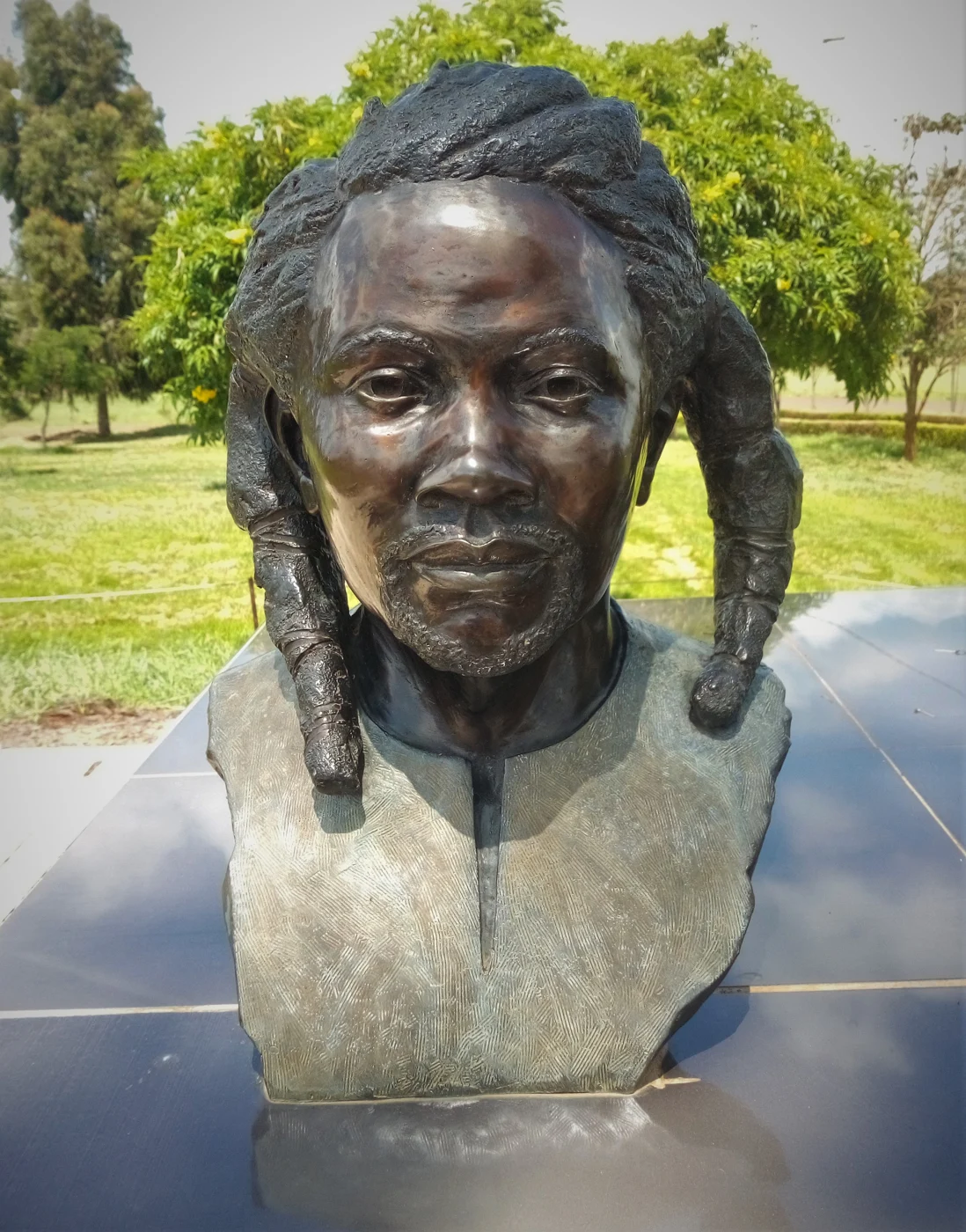
Kung'u Karumba was one of the Kapenguria Six arrested and prosecuted by the colonial government during the emergency. His involvement placed him within the campaign to end British rule.
His later disappearance remains an unresolved part of his life story. The archive recognises his documented imprisonment and contribution to the independence movement without claiming certainty about events that have not been conclusively established.
Life and work
Kung'u Karumba (1902-1974) was a Kenyan nationalist and freedom-fighter. He was a member of the Kapenguria Six, along with Bildad Kaggia, Jomo Kenyatta, Fred Kubai, Paul Ngei, and Achieng Oneko.
Kungu Karumba along with five other men, including Jomo Kenyatta, were arrested on October 20, 1952 in Kapenguria by British colonial governor, for being involved in a revolutionary group called the Mau Mau, which led a revolt against British colonial rule. Reason as to why the case was held in Kapenguria was so that the Mau Mau could not get to free the men. The area was remote at the time. He was convicted and locked up in prison for seven years with hard labor before the country's independence on December 12, 1963.
Following Kenya's independence, he remained a close friend and influential advisor to Kenyatta who had risen to Prime Minister of Kenya. Active as businessman, Karumba invested in Uganda. He loaned a substantial sum of money to the wife of Ugandan military commander Isaac Maliyamungu, but she did not pay back her debt. Karumba consequently travelled to Uganda in June 1974, and disappeared, his fate unclear. Intelligence reports later implicated Maliyamungu of murdering Karumba during a disagreement over his wife's debts.
As a business man, Kung'u Karumba invested in the transport industry where he owned a fleet of long distance vehicles. He also ran a bulk oil haulage where he transported oil from the Port of Mombasa to Kampala and Bujumbura. In addition to that, he also owned a textile factory at downtown Nairobi.
In Kenya, Karumba is considered a national hero. His disappearance garnered much attention, and probably contributed to the deterioration of political relations between Kenya and Uganda. A popular musician at the time, Daniel Kamau, wrote a song entitled 'Where Did Kung'u Karumba Disappear To?'
Karumba's unresolved disappearance requires a different kind of care from the better-documented Kapenguria imprisonment. The absence of a settled account should remain visible, rather than being filled with a confident explanation. His family and the public record should not be made to carry a certainty the evidence does not provide.
The importance of his earlier contribution is independent of that uncertainty. The Kapenguria Six became symbols of the colonial government's attempt to contain nationalist mobilisation during the emergency. Remembering each person individually makes the group more than a collective label. It restores attention to the varied lives, occupations and relationships that preceded the prosecution, while recognising the lasting place the case occupies in Kenya's account of independence.
Holding the established and unresolved parts of his biography together is essential to preserving both his contribution and the integrity of the historical record.
This section adapts selected passages from Kung'u Karumba by Wikipedia contributors. It is shared under CC BY-SA 4.0. Selected and edited passages, with additional editorial context; lists and reference markers omitted; punctuation and paragraph breaks adjusted. Photographs have separate licences.
More from Liberation
Dedan Kimathi
Field Marshal of the Mau Mau
c. 1920 – 1957 · Memorial bust
Mekatilili wa Menza
Leader of the Giriama resistance
fl. 1910s
A woman who raised a people against the empire with a dance and an oath.
Muthoni Kirima
Mau Mau Field Marshal
1930 – 2023
A woman who became a field marshal in the struggle for independence.