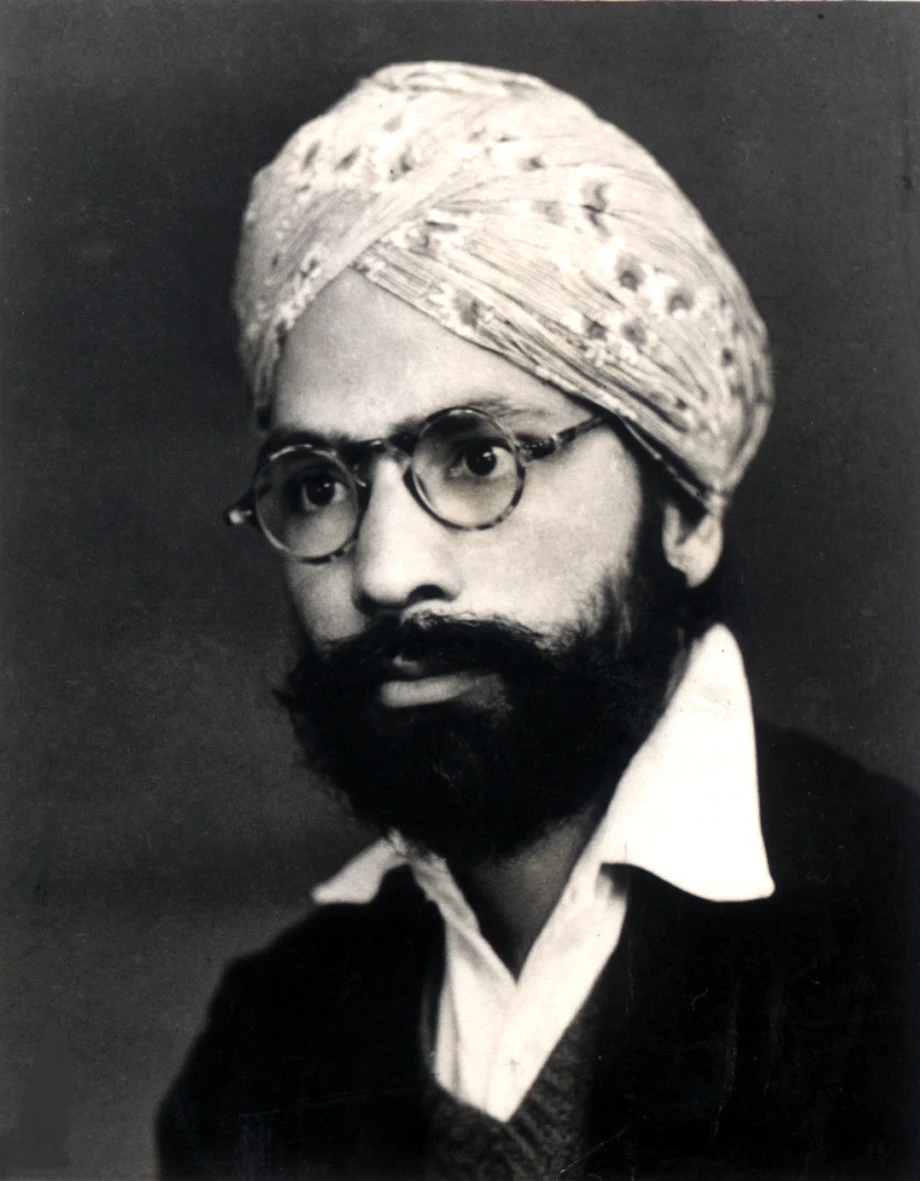
Gopal Singh Chandan / Public domain. Resized for the archive. Image credits.

Makhan Singh
Trade unionist
He organised workers across the divisions colonial rule depended on.
- Theme
- Liberation
Makhan Singh helped make the workplace a centre of Kenya's independence struggle. His organising linked wages and working conditions with the larger question of who had the right to govern. He also challenged the racial divisions through which colonial society distributed opportunity and power. A movement divided into separate racial interests would struggle to confront a system that depended on those divisions.
Born in Punjab in 1913, Singh moved to Kenya with his family in 1927. His involvement in printing and trade-union work placed him among the people who produced and circulated political arguments as well as those who acted on them. During the 1930s, he became a leading figure in the development of the Labour Trade Union of Kenya. Opening organisation across racial lines was a consequential part of that work.
The practical demands of a union concerned pay, hours and the treatment of workers. But those demands were made within an economy in which colonial rule structured the relationship between employers, workers and the state. Singh argued that labour's interests could not be secured fully without political freedom. His demand for independence therefore grew from organising rather than being separate from it.
In 1949, he and Fred Kubai helped establish the East African Trade Union Congress. The effort brought a wider organisational ambition to the labour movement. It sought a collective capacity greater than any one workplace or occupational group could exercise alone. The history of Kenyan independence often concentrates on parties and prominent nationalist speeches; Singh's career makes it necessary to include union meetings, publications, strikes and the patient work of building membership.
He was arrested in 1950 after publicly demanding freedom from British rule. The long detention that followed lasted until 1961. It removed him from active organising during much of the decisive final decade of colonial rule. This was a substantial interruption to a working life, not merely a date between two public appearances. It also demonstrates the extent to which the administration regarded organised labour and uncompromising political demands as threats.
Singh's later years included the writing of the labour movement's history. That work matters because the record of a movement can otherwise be reduced to the people who eventually occupied government office. Preserving its organisations, arguments and participants allows later generations to see how political change was made from below. His own writings and the subsequent scholarship about him are important routes into that history.
He died in 1973. His contribution has continued to be examined by trade unionists, historians and writers concerned with the place of Kenyan Asians in the struggle for liberation. That history cannot be understood as a contribution made from outside the nation. Singh's commitments were to the people and political future of the country in which he lived and organised.
His life brings two questions together: what independence should mean for working people, and whether a political community can be built across the divisions inherited from empire. The organisations he helped create were attempts to answer those questions in practice. Remembering him keeps the social and economic ambitions of liberation visible alongside the achievement of national sovereignty.
Add to this storyMore from Liberation
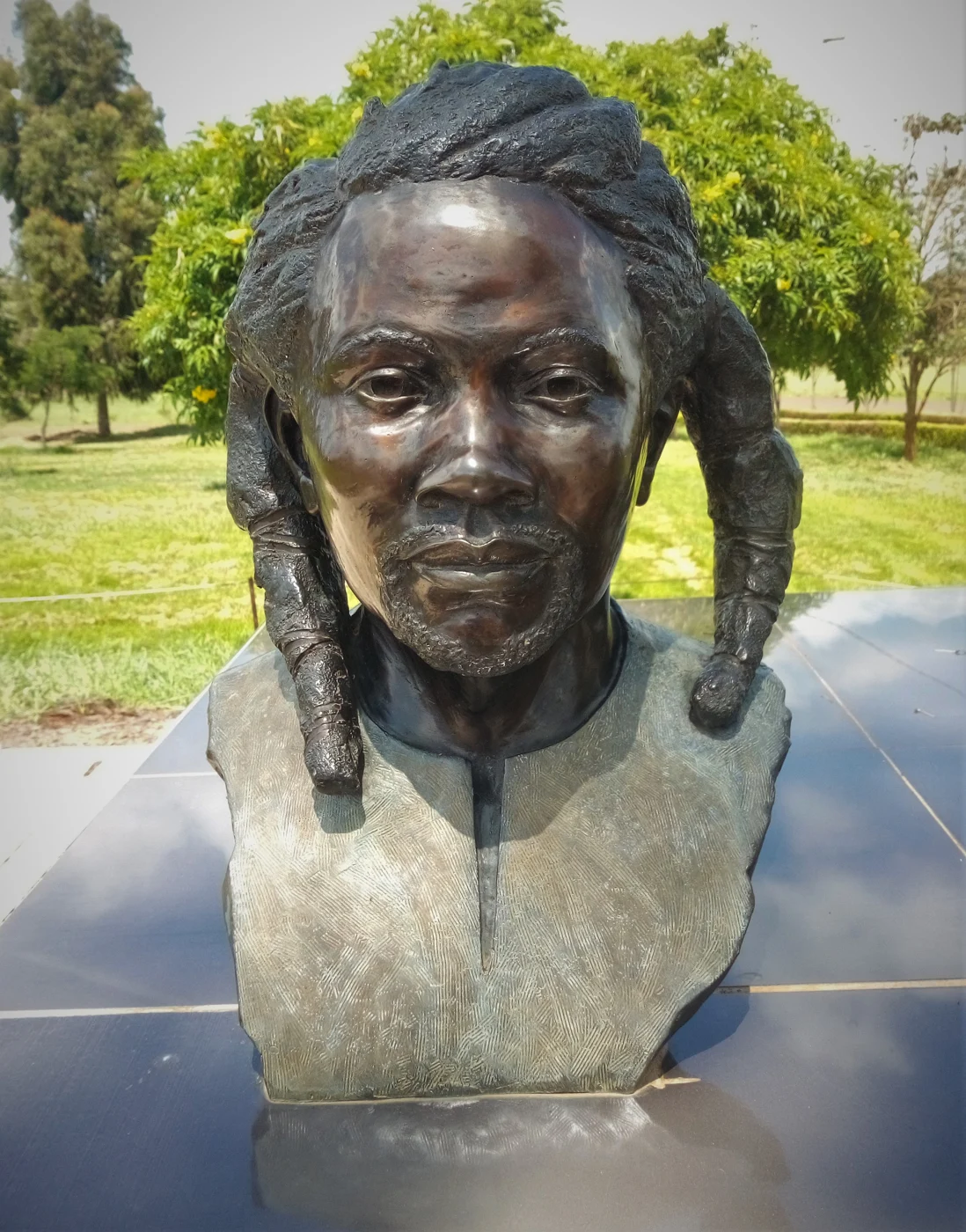
Dedan Kimathi
Field Marshal of the Mau Mau
c. 1920 – 1957 · Memorial bust
Mekatilili wa Menza
Leader of the Giriama resistance
fl. 1910s
A woman who raised a people against the empire with a dance and an oath.
Muthoni Kirima
Mau Mau Field Marshal
1930 – 2023
A woman who became a field marshal in the struggle for independence.