Diario de Madrid / CC BY 4.0. Resized for the archive. Image credits.
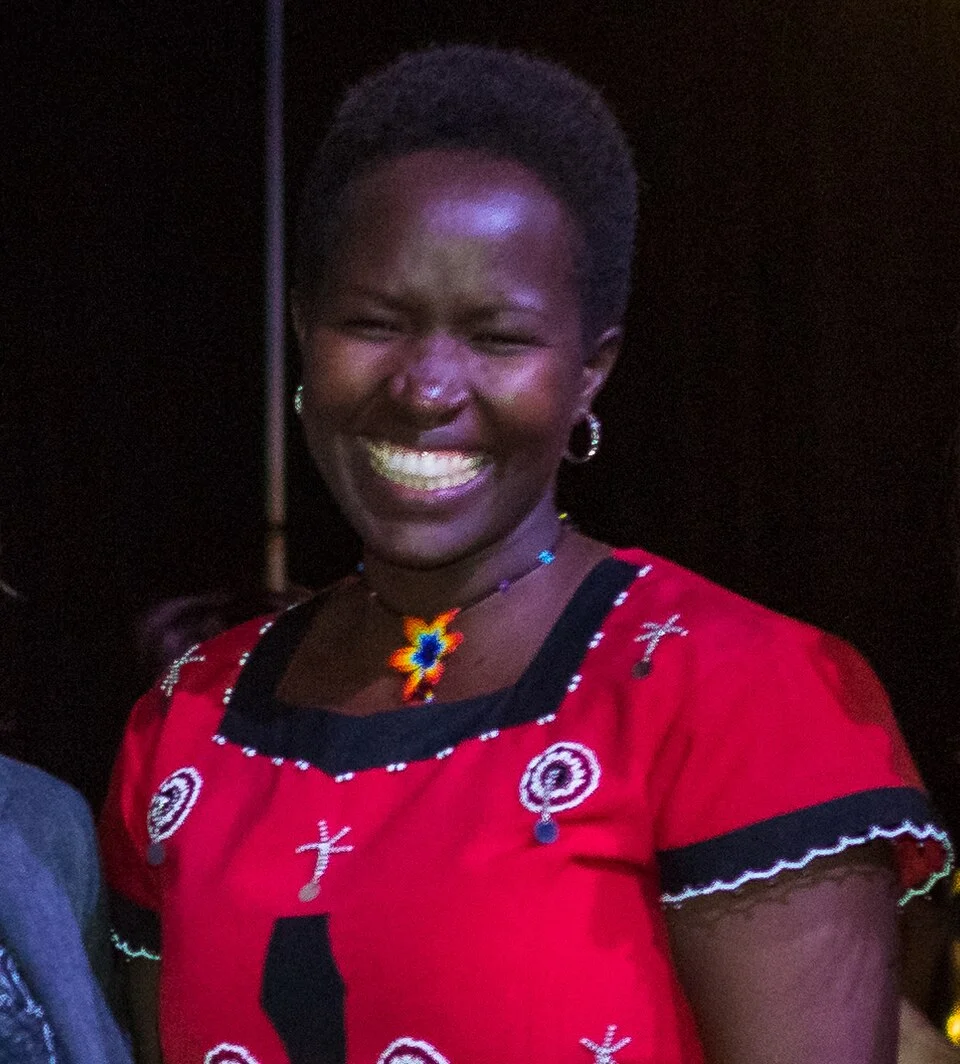
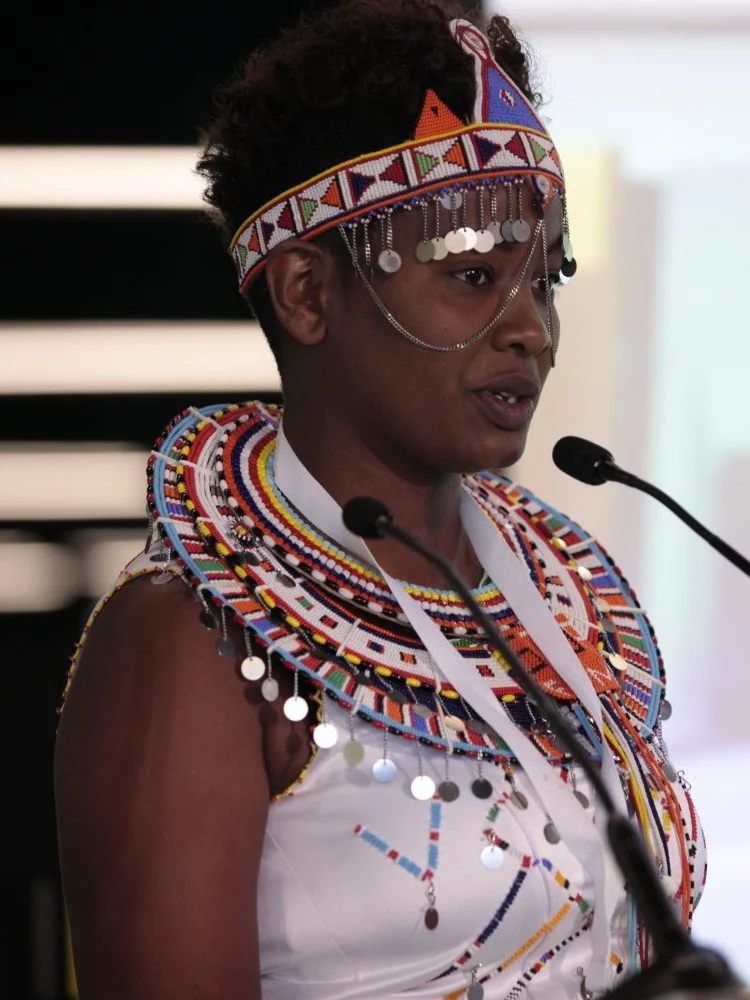
Nice Nailantei Leng'ete
Girls' rights advocate
She worked with communities to make a different future possible for girls.
- Theme
- Community
Nice Nailantei Leng'ete has campaigned against female genital mutilation and for girls' access to education. Working with Amref and community leaders, she helped promote alternative rites of passage that do not involve cutting.
Her work recognises that lasting change requires conversations within families and communities, including with elders and young men. It places girls' health and choices at the centre of decisions often made on their behalf.
Life and work
Nice Nailantei Leng'ete (born 1991) is a Kenyan human rights activist, advocating for alternative rite of passage (ARP) for girls in Africa and campaigning to stop female genital mutilation (FGM). In her work with Amref Health Africa, Leng'ete has saved an estimated 17,000 girls from undergoing genital mutilation and for many, childhood marriages. She was named by Time magazine in 2018 as one of the 100 most influential people in the world.
Nice Nailantei Leng'ete was born in 1991 in the village of Kimana in Maasai country, Kenya. She was orphaned when both her parents died in 1997 and 1998. She spent her early years moving among many different homes in her village. When she was eight years old, she was sent away to a boarding-school. It was there she discovered that "the cut", a rite of passage for girls transitioning to womanhood in her Maasai culture, was not required.
Growing up, I used to attend these circumcision ceremonies and I could see a lot of pain. All the girls from my own village, after they were circumcised, they had to drop out of school, and be married to old men; people who were not even of their choice. These are 10-year-old or 12-year-old girls. They're still children. They're considered women because they have undergone circumcision. But again, these are just still children. After seeing all that pain, I think that's what made me realize that this was something I didn't want to do. I knew that I would not be able to go back to boarding school. I would be married, and that would just be the end of me.
At the age of eight, when her time came to undergo "the cut", Leng'ete decided to run away, encouraging her sister to come with her. They ran through the bush to their aunt's house ; 70 kilometers away, to avoid being seen on the road. Leng'ete's uncle and men from the village soon discovered where she and her sister were hiding. When they came for the girls, they beat and threatened them. The next year, when village girls were being prepared for the rite of passage, Leng'ete' ran away again, but was unable to persuade her sister to join her.
When she was brought back to the village, Leng'ete made an appeal to her grandfather. She told him that she would run away forever and live on the streets rather than endure being "cut". Her grandfather relented, and agreed to let her to forego the traditional ritual, and also allowed her to return to school. Leng'ete was ostracized by the village as being a bad example and someone who shamed her family and community.
Leng’ete was the first girl in her village to go to high school. She began to be seen in her village as an inspiration to young girls and women. Later, she would hide young girls who asked for her help in avoiding "being cut", an action that made her an outcast in her community. Leng'ete continued to advocate for the girls and encouraged the villagers to discuss the sensitive and important issue.
In the Maasai culture, women are not allowed to address village elders, but when Leng’ete attended a sexual health class sponsored by Amref Health Africa, she asked the village leaders to let her share with the community what she had learned. The village elders allowed her to speak only to the younger men of the village, but none of the men were interested in listening to her. "No girl had been courageous enough before to challenge the status quo, to challenge men," according to Douglas Meritei, one of those men. Len'ete would not give up, and kept trying to speak to the younger men for the next two years. Eventually, the elders of the village told the young men to sit with her, but only three of those men would speak to her.
This section adapts selected passages from Nice Nailantei Leng'ete by Wikipedia contributors. It is shared under CC BY-SA 4.0. Selected passages; pronunciation guides, lists and reference markers omitted; punctuation and paragraph breaks adjusted. Photographs have separate licences.