Rich Taylor/ DFID - DFID - UK Department for International Development / CC BY 2.0. Resized for the archive. Image credits.
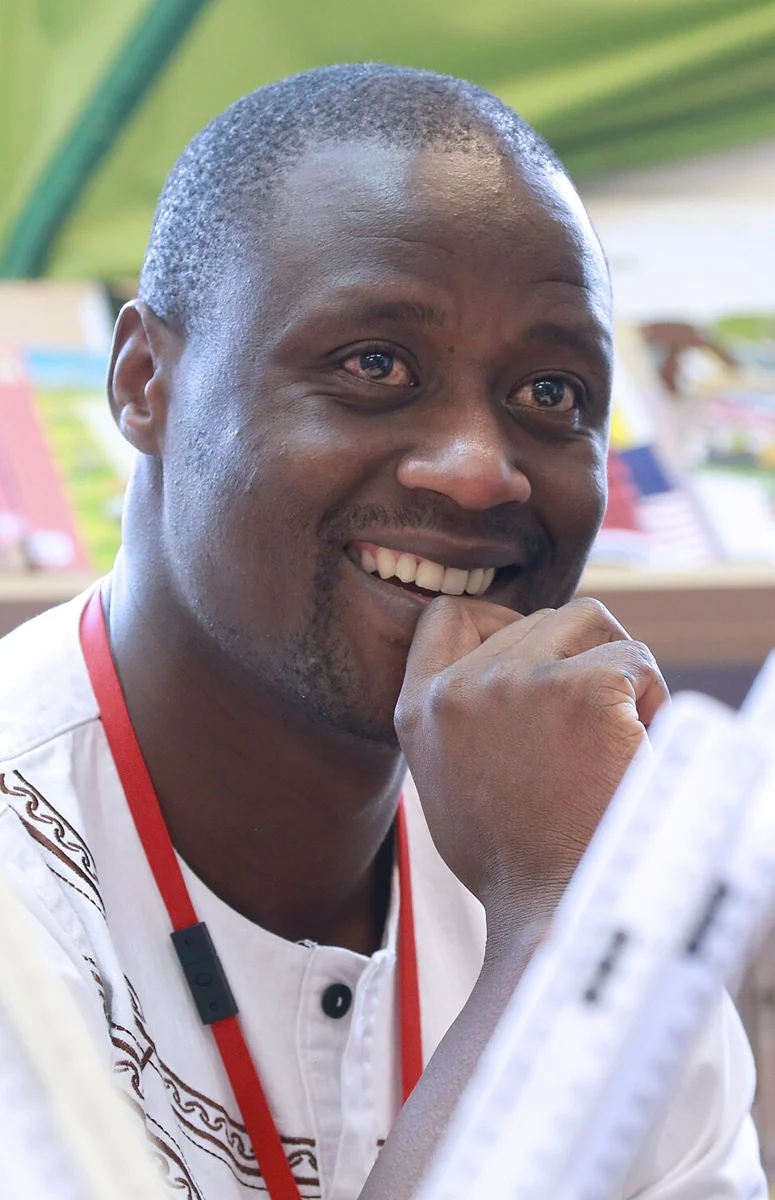
Peter Tabichi
Science teacher and Global Teacher Prize winner
A rural Kenyan classroom earned the world's attention.
- Theme
- Community
Peter Tabichi became internationally known in March 2019 when he won the US$1 million Global Teacher Prize. The award recognised his work teaching science and mathematics at Keriko Mixed Day Secondary School in Pwani, Nakuru County. It brought a rural Kenyan classroom into a global conversation about education, and placed attention on pupils whose ability could easily have been obscured by the shortage of resources around them.
A Franciscan brother trained in mathematics and physics at Egerton University, Tabichi had taught in a private school before moving to Keriko. The setting demanded more than the preparation of lessons. Families faced poverty and the effects of drought, while the school worked with overcrowded classes and very limited access to computers and the internet. These were the conditions described in the reporting around his 2019 award, rather than a claim about the school's facilities today.
Tabichi's response combined classroom teaching with practical support for learners. He became known for giving a substantial part of his income to assist pupils. Science clubs and work on projects gave students opportunities to develop ideas beyond an examination syllabus. Their participation in science competitions helped demonstrate that a poorly resourced school could still be a place of investigation and ambition. The achievement belonged to the pupils as well as to their teacher.
In a World Bank interview following the prize, Tabichi discussed the relationship between teaching and the community around a school. A child's ability to learn depends on attendance, family circumstances, encouragement and a sense that the classroom is worth returning to. Teaching therefore reaches beyond explaining a scientific principle. It includes understanding what makes it possible for a pupil to be present and ready to use that explanation.
The prize did not make those wider difficulties disappear. Its value was partly in making them visible without presenting the learners as incapable. Tabichi's story challenged the assumption that talent is concentrated wherever educational resources are most abundant. It also showed why celebrating one exceptional teacher should lead to a discussion about support for many teachers, rather than an expectation that personal sacrifice can replace functioning public institutions.
His later work has moved in that broader direction. The Global Teacher Prize's current council biography describes him as founder and programme lead of the Peter Tabichi Foundation, working on resources and professional learning for teachers. It also records further study in education and international development at University College London and service on Kenya's Presidential Working Party on Education Reforms in 2022 and 2023. These developments extend the significance of the 2019 award beyond a single classroom.
Tabichi belongs in this archive because teaching is one of the ways a country changes its possibilities. His contribution is grounded in ordinary educational work: identifying ability, explaining difficult ideas, sustaining participation and helping learners attempt something they have not done before. The million-dollar prize made that work famous. The work itself remains the reason his story matters.
Readers should also see the pupils and colleagues within the story. A school is a shared institution, and lasting improvement requires more than the reputation of one person. Tabichi's recognition offers an entry into that larger account of Kenyan teachers and the communities with whom they work.
Add to this story