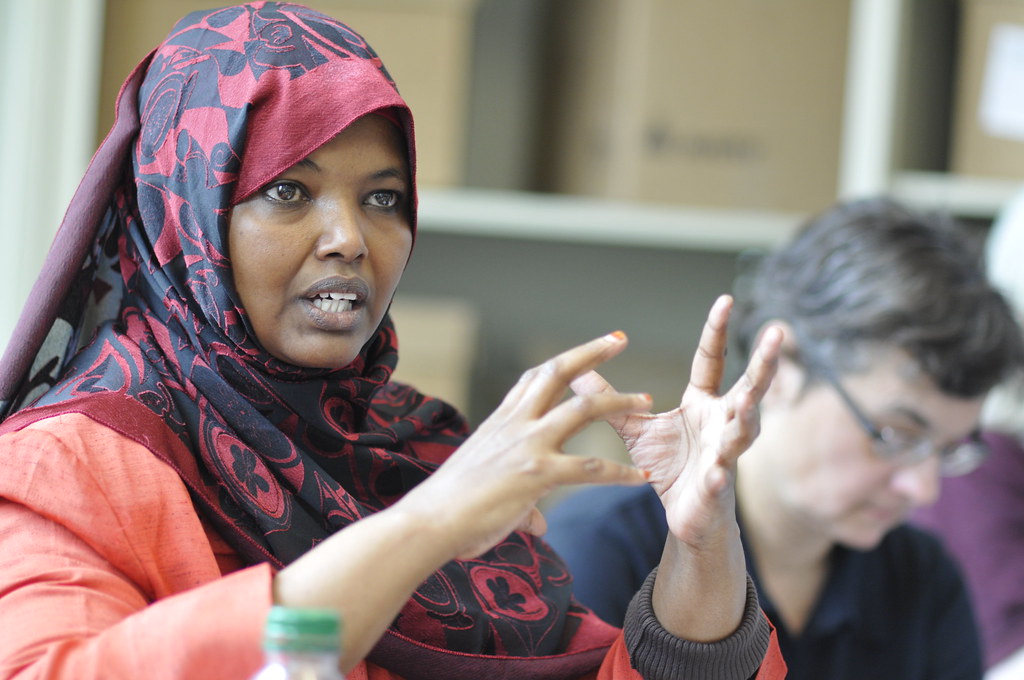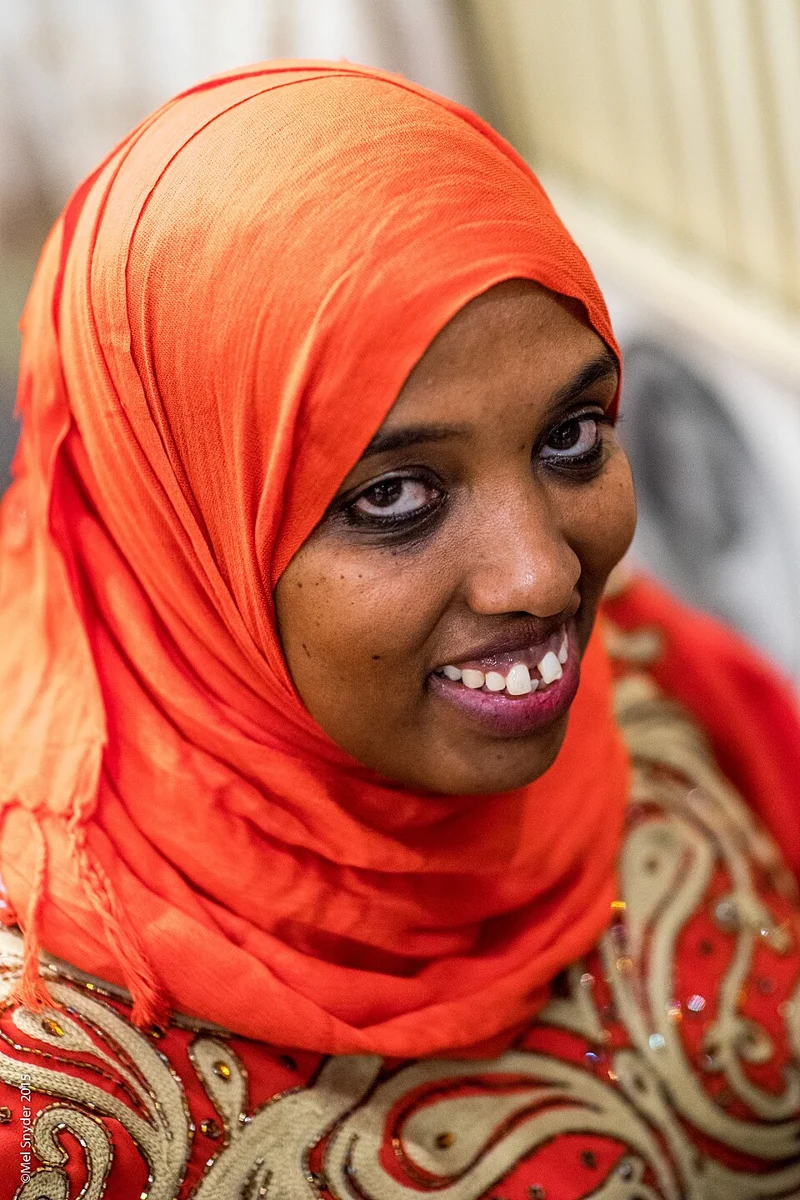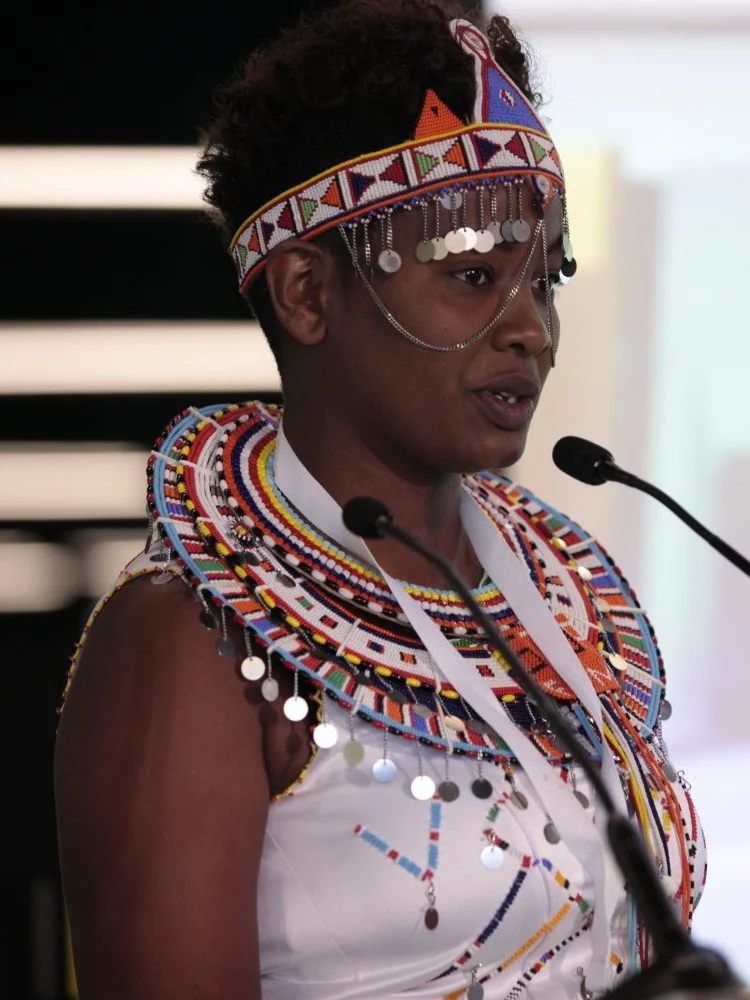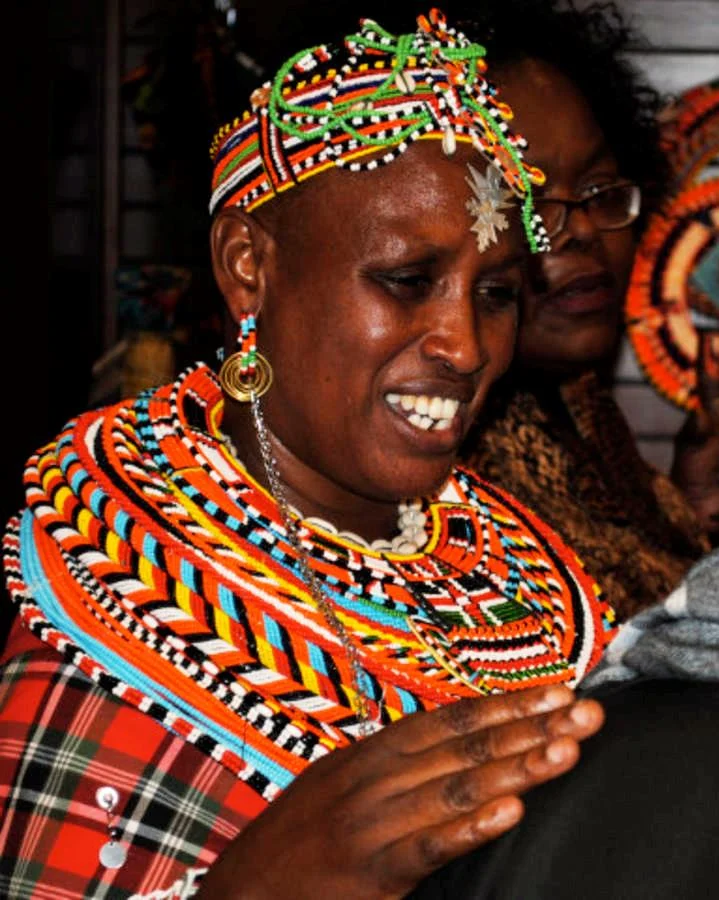
ThSNbTL / CC BY-SA 4.0. Resized for the archive. Image credits.
Rebecca Lolosoli
Women's rights organiser
She helped create a place where women could rebuild their lives.
- Theme
- Community
Rebecca Lolosoli helped establish Umoja, a women-led community in Samburu. The initiative offered a setting in which women could seek safety, organise livelihoods and exercise greater control over community decisions.
Her work challenged expectations about who could own resources and lead. Accounts of Umoja show both the possibilities and the difficulties of building an institution around women's security and economic independence.
Life and work
Rebecca Samaria Lolosoli (born 1962) is the founder and matriarch of the Umoja village in Samburu County of Kenya. The village is a refuge for women fleeing sexual abuse, and men are banned from the village.
Lolosoli, born in 1962 in the village of Wamba, was one of six siblings. She began her education at Wamba girls' primary school in 1971 but left before completing her education.
She later enrolled in a Catholic nursing training center but had to drop out six months before finishing due to financial difficulties. At 18, she married Fabiano David Lolosoli, with a dowry of 17 cows. She established her own village business and became an advocate for women's rights. When she was assaulted and robbed, her husband did not intervene, prompting her to leave him. In 1990, she co-founded the village of Umoja with four other women, establishing it as a sanctuary exclusively for women.
In 1995, the women of Umoja elected her to chair the Maendeleo Ya Wanawake Organization (MYWO), an organization for the enhancement of women. She held the post for ten years.
In 2005, Lolosoli attended a United Nations conference in New York. She received death threats from local men over her stance on women's rights just before she went to New York.
Umoja was attacked in 2009 by Lolosoli's former husband, armed with a gun. He chased the women out of their home and allegedly was looking for Rebecca, who was not home at the time. In 2010, she was awarded the Global Leadership Award from Vital Voices.
When she was 15, she had her cut, a traditional rite practiced in the region. Later, she was sold for 17 cows and forcibly married to an official Kenyan businessman when she was 18 years old.
Rebecca narrowly escaped rape by British soldiers at Archer Post military base, a recurrent crime in the region (It is estimated that 1,400 rapes were perpetrated by British soldiers in the 1990s). There began her commitment to the feminine cause.
Subsequently, she began to raise the problem of rape at local government meetings, which led to her being severely beaten and robbed by Samburu men. Faced with her husband's disinterest and inaction, Rebecca realized that her life was in danger. She ran away from home and created the village of Umoja in 1991 with the help of 15 other abused women. The year 2010 marked a turning point in her life since she finally obtained the right to divorce.
The creation of the village, reserved only for women, challenged a tribal system in which women could not have land or livestock or access to education. The village ensures the safety of its members (63 people in 2011) but above all offers possibilities for the future. As Rebecca Lolosoli has said:
From the beginning, Rebecca Lolosoli has held a central place in the village as a democratically elected matriarch. In order to meet their needs. Rebecca and the members of the village first sold agricultural products such as corn, sugar, etc. However, in the face of the low profits, they are moving towards other sectors such as the sale of pearl jewelry.
Economic success made it possible to purchase land for 200,000 shillings ($2,700) in order to gain land legitimacy against rival villages. In addition, the money raised allowed for the creation of a museum and a school for the children of Umoja and its surrounding villages. The popularity of the village and its uniqueness in the region has made the village a tourist destination. Rebecca's unusual career and her ongoing fight for the emancipation of women has been very well received internationally.
This section adapts selected passages from Rebecca Lolosoli by Wikipedia contributors. It is shared under CC BY-SA 4.0. Selected passages; pronunciation guides, lists and reference markers omitted; punctuation and paragraph breaks adjusted. Photographs have separate licences.